THE COST OF CONSOLIDATION– INSIDE SRI LANKA’S NTB BANKING SHIFT
- Eng2Bandara
- November 4, 2026
- Banking and Financial
- NTB BANK
- 0 Comments
A silent seismic wave is rippling through Sri Lanka’s financial landscape, where aggressive corporate consolidation and regulatory housekeeping are fundamentally rewriting the rules for consumer banking.
While boardrooms toast to record-breaking quarterly profits and a cleaner national balance sheet, a widening rift of consumer friction has exposed the sharp friction between corporate numbers and street-level reality.
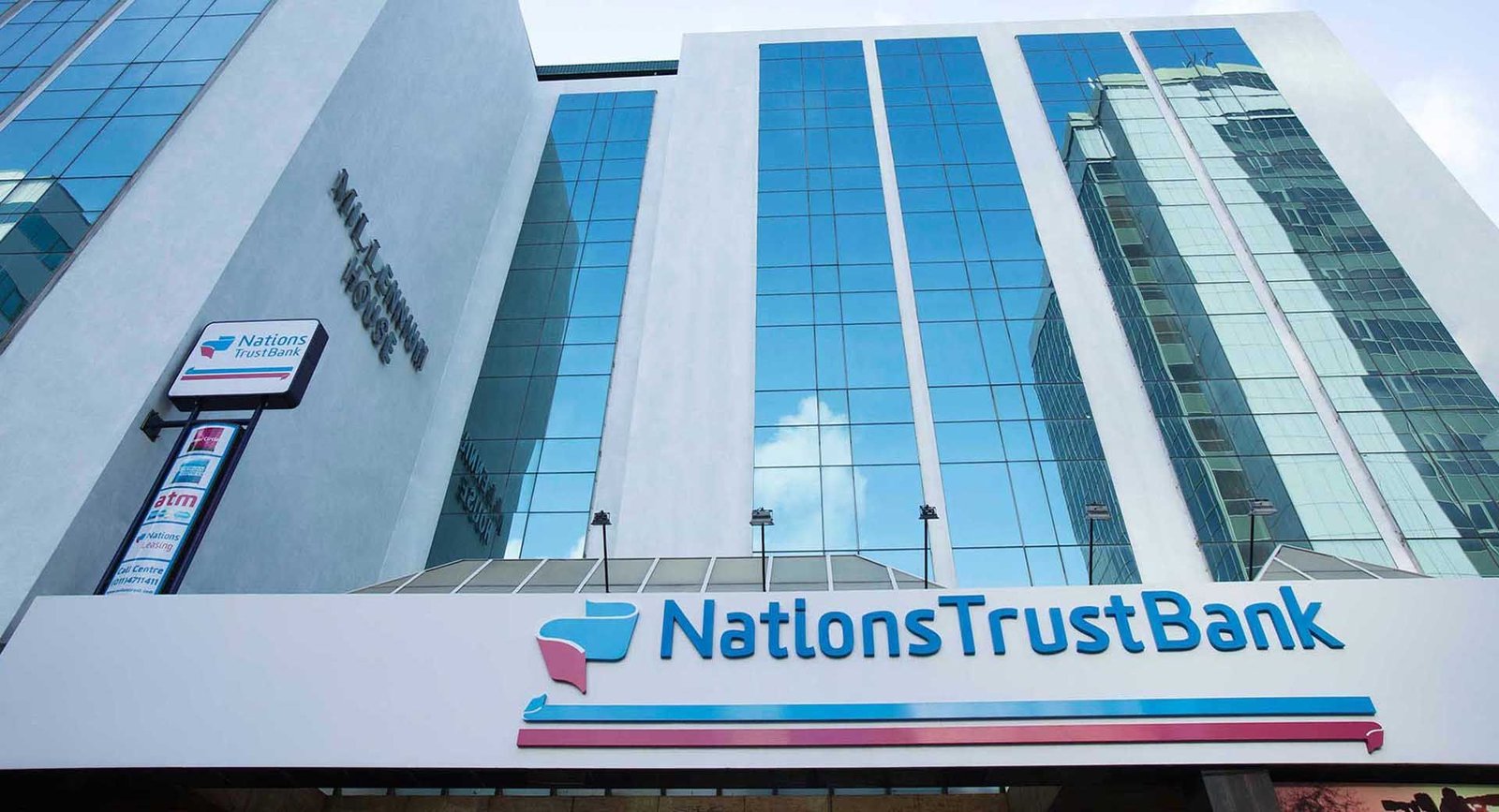
The recent Rs. 18 billion absorption of HSBC Sri Lanka’s retail empire by Nations Trust Bank PLC (NTB) has supercharged the lender’s balance sheet.
But it has simultaneously triggered a fierce backlash from the nation’s elite professional class, who find their lifelong premium banking privileges abruptly liquidated alongside the defunct corporate structures of the old economy.
For the first half of 2026, NTB recorded a staggering Profit after Tax (PAT) of LKR 15.6 billion, representing a massive 77% year-on-year surge.
By absorbing roughly 200,000 consumer accounts, NTB expanded its total loan book to LKR 541.9 billion and deposits to LKR 688.0 billion
Parallel to this balance sheet expansion is an aggressive, regulatory-driven execution of corporate liquidations.
: Late last month, NTB’s board officially greenlit the shareholders’ voluntary winding-up of its wholly owned subsidiary, Waldock Mackenzie Limited (WML).
WML, an investment banking pioneer established in 1986, had been completely inactive since 2024